Mold Remediation
MOLD ASSESMENT
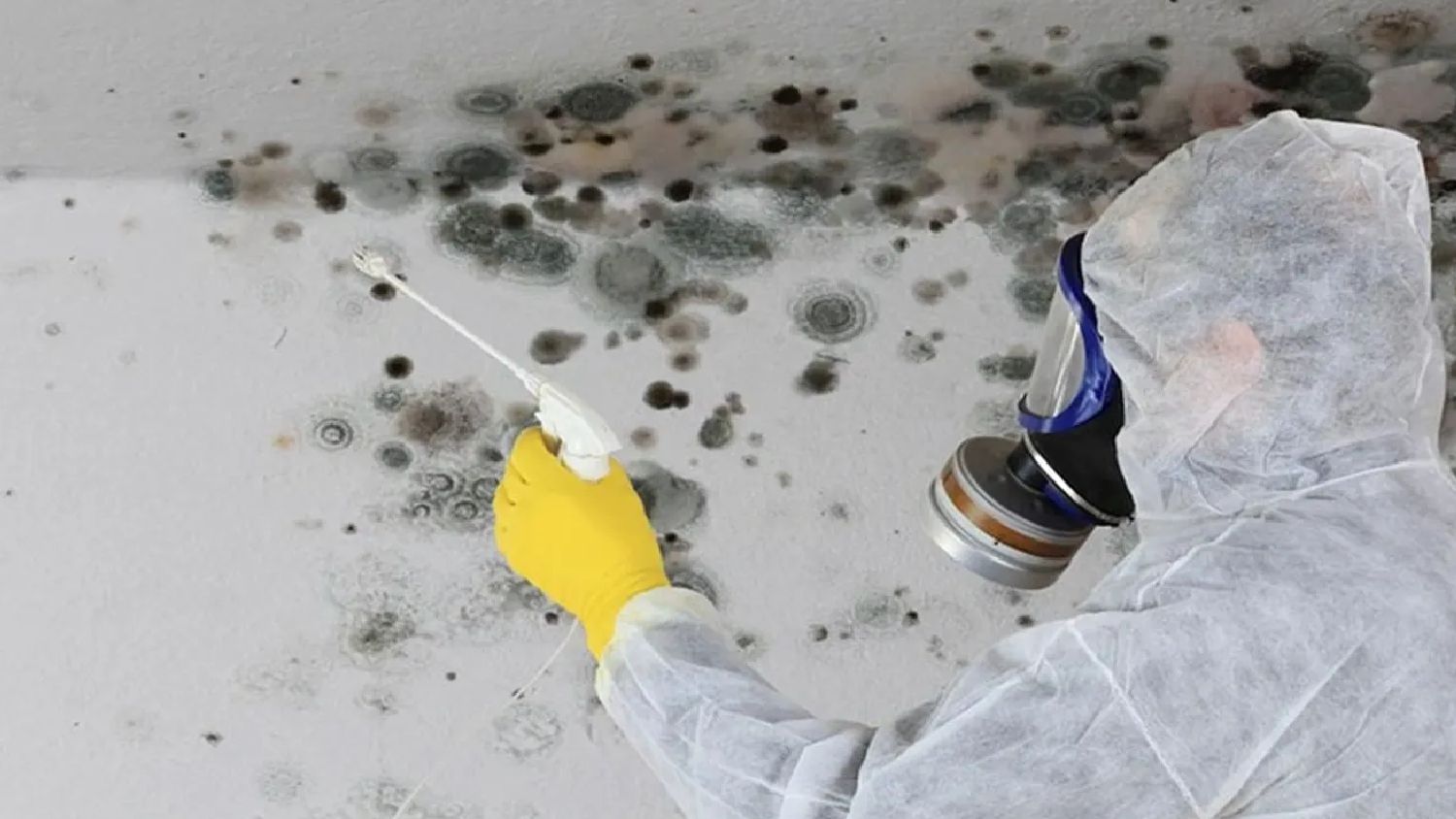
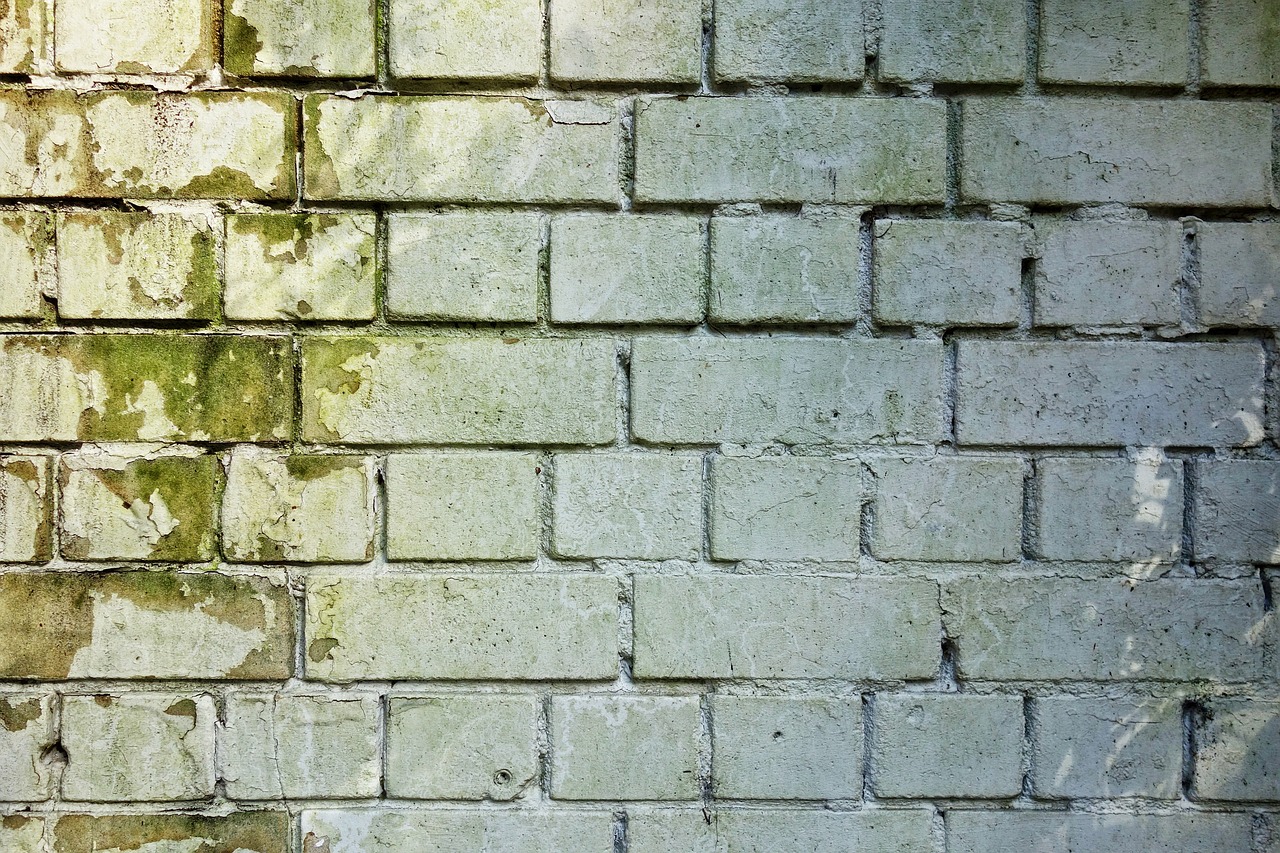
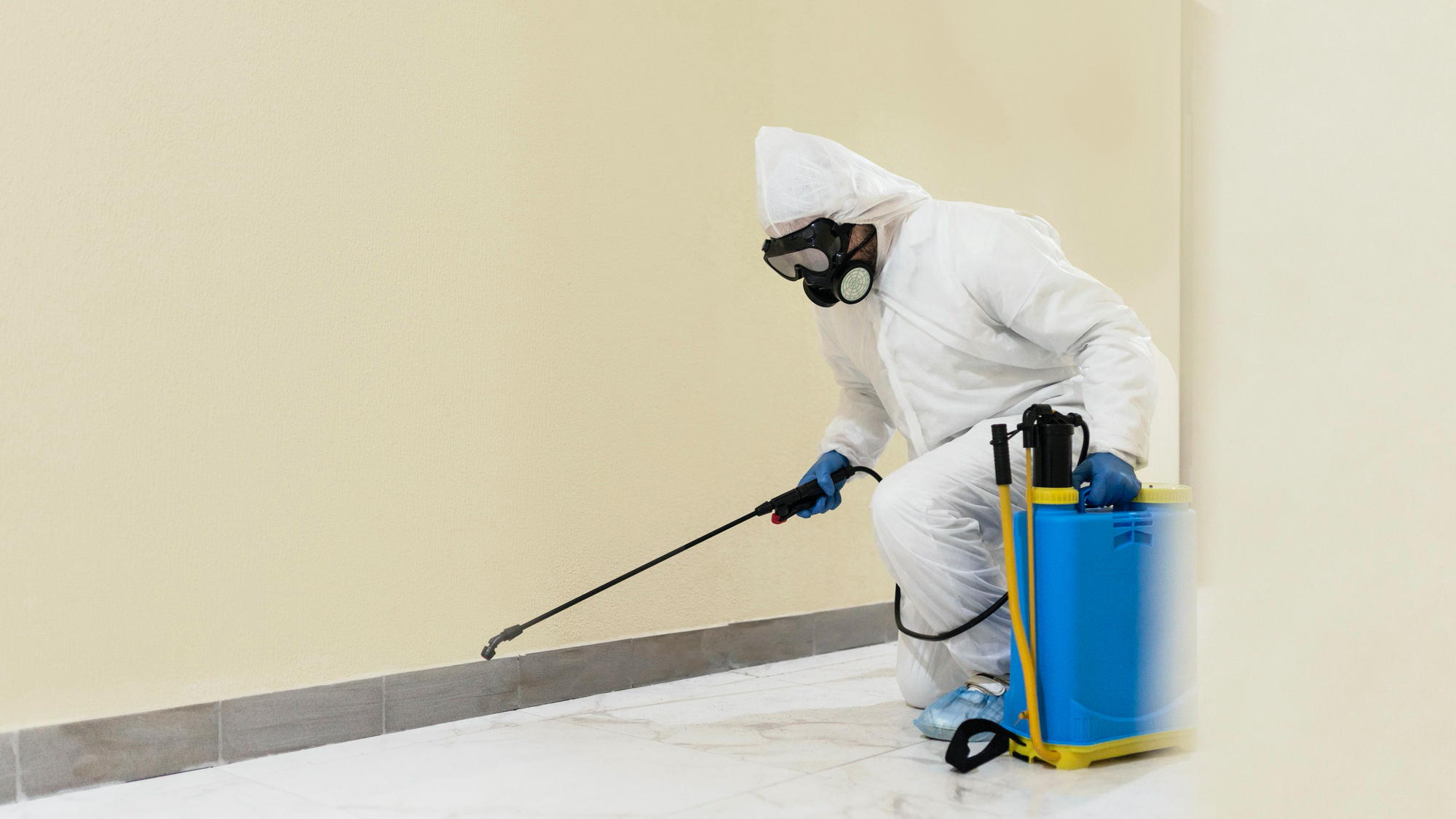
Mold assessment is the process of evaluating a property to determine the presence, type, and extent of mold growth. This assessment is typically conducted by professionals trained in mold inspection and remediation. Mold assessments are essential in addressing indoor air quality concerns, preventing health risks, and ensuring a safe living or working environment.
DEMOLITION & DRY-OUT
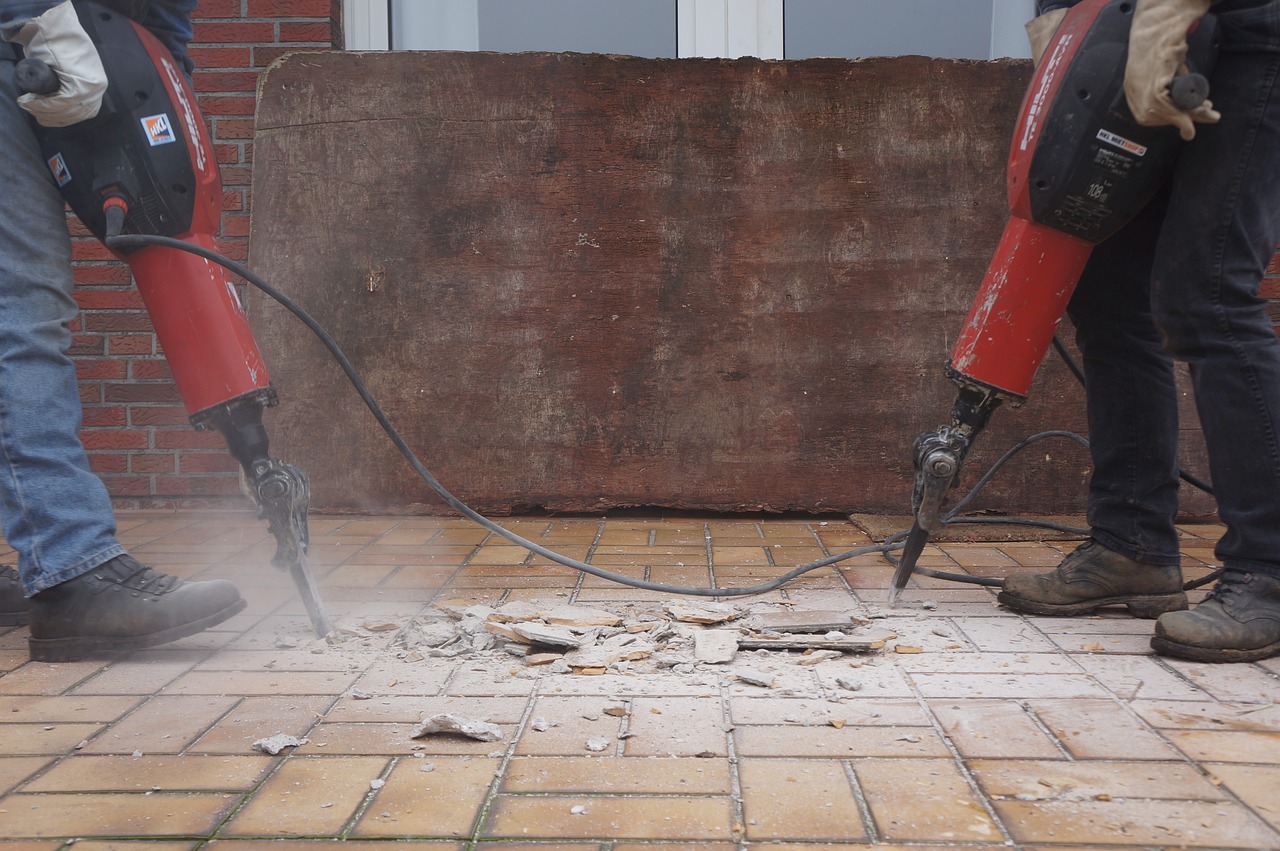
Demolition refers to the process of dismantling or destroying structures, typically buildings, in a controlled manner. This can involve the use of heavy machinery, manual labor, or explosives, depending on the scale and nature of the project. The goal of demolition is to clear a site for new construction or to remove unsafe or unwanted structures.
Dryout, on the other hand, is a process often associated with water damage restoration. It involves the removal of excess moisture from a structure after water intrusion, such as from flooding or leaks. This process typically includes the use of specialized equipment like dehumidifiers and air movers to ensure that all affected areas are thoroughly dried to prevent mold growth and structural damage.
Together, demolition and dryout can be part of a larger restoration or construction project, particularly in situations where a building has been compromised by water damage and requires both removal of damaged materials and drying of the remaining structure.
RECONSTRUCTION
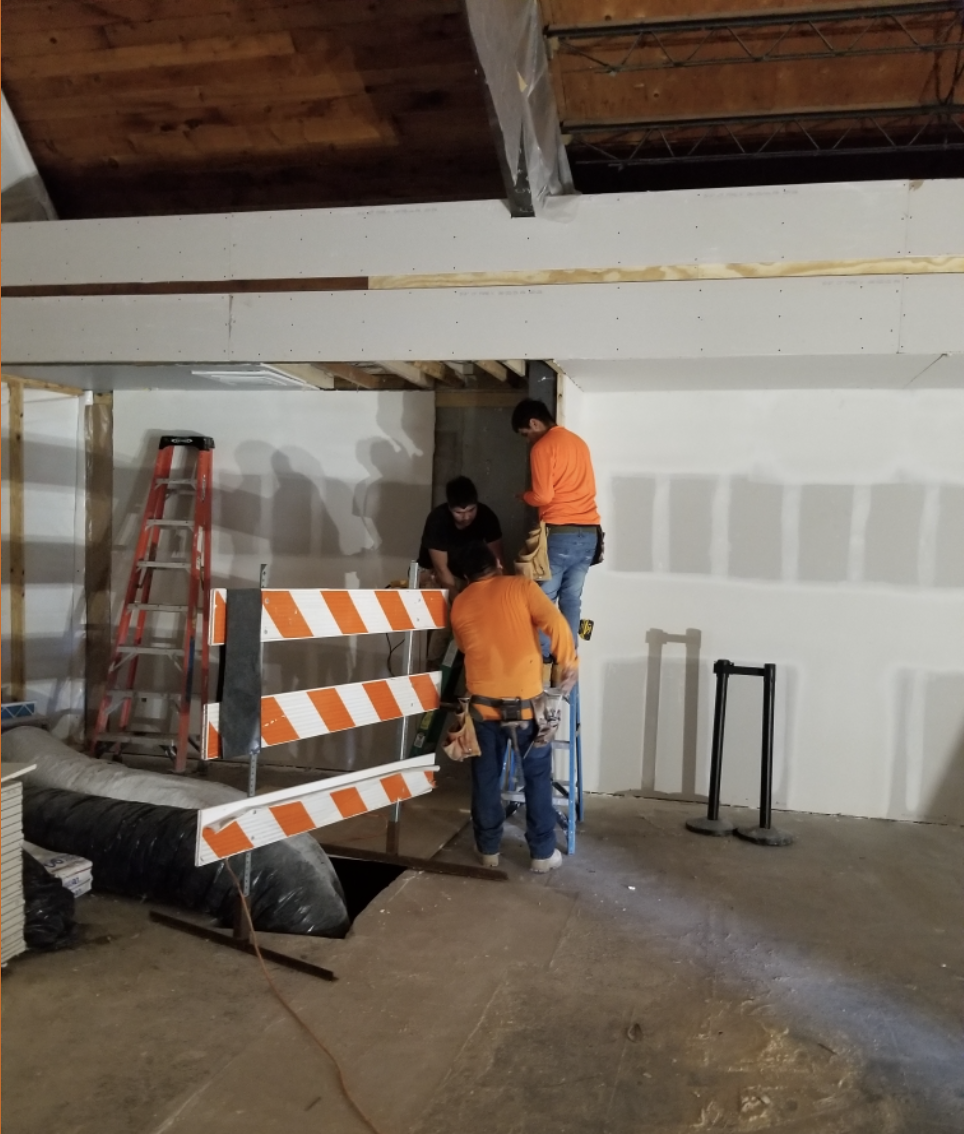
Reconstruction refers to the process of rebuilding or restoring a structure after it has been damaged or destroyed. This can occur after events such as natural disasters, fires, or significant wear and tear over time. The reconstruction process typically involves several stages, including:
1. Assessment: Evaluating the extent of the damage and determining what can be salvaged.
2. Planning: Developing a detailed plan for the rebuilding process, which may include architectural designs and obtaining necessary permits.
3. Demolition: Removing any irreparable parts of the structure, if necessary.
4. Rebuilding: Constructing new elements of the structure, which may involve framing, roofing, and installing systems like plumbing and electrical.
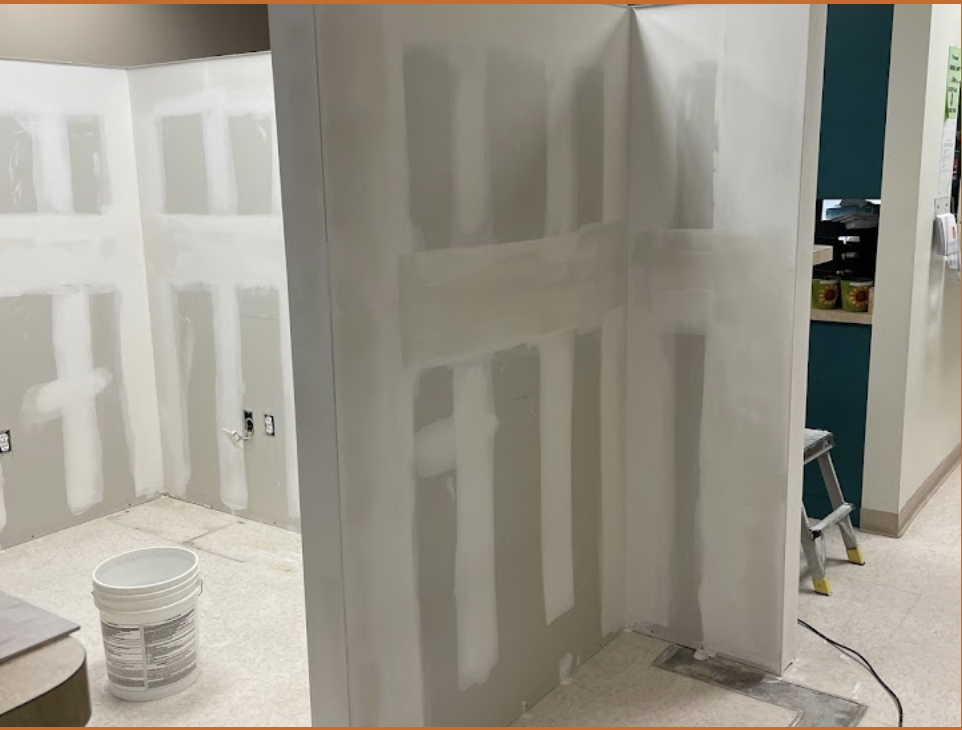
5. Finishing: Completing the interior and exterior finishes, such as drywall, flooring, and painting.