Maintenance
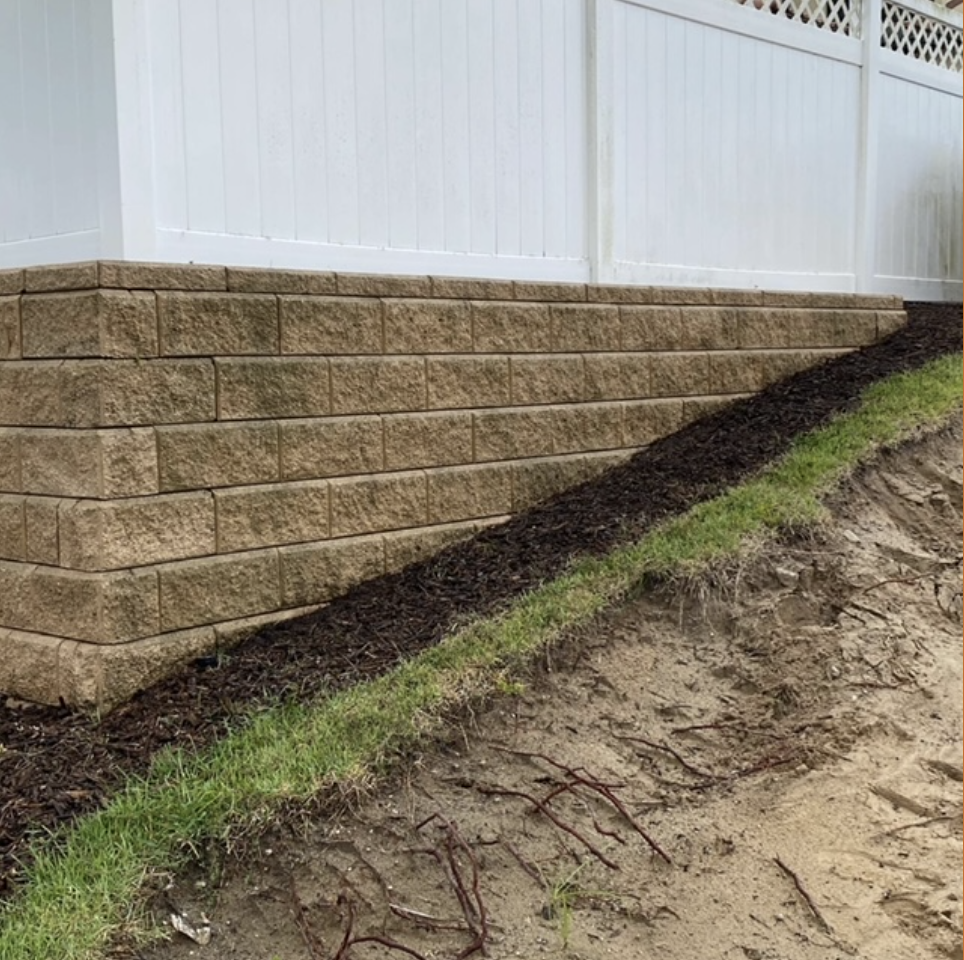
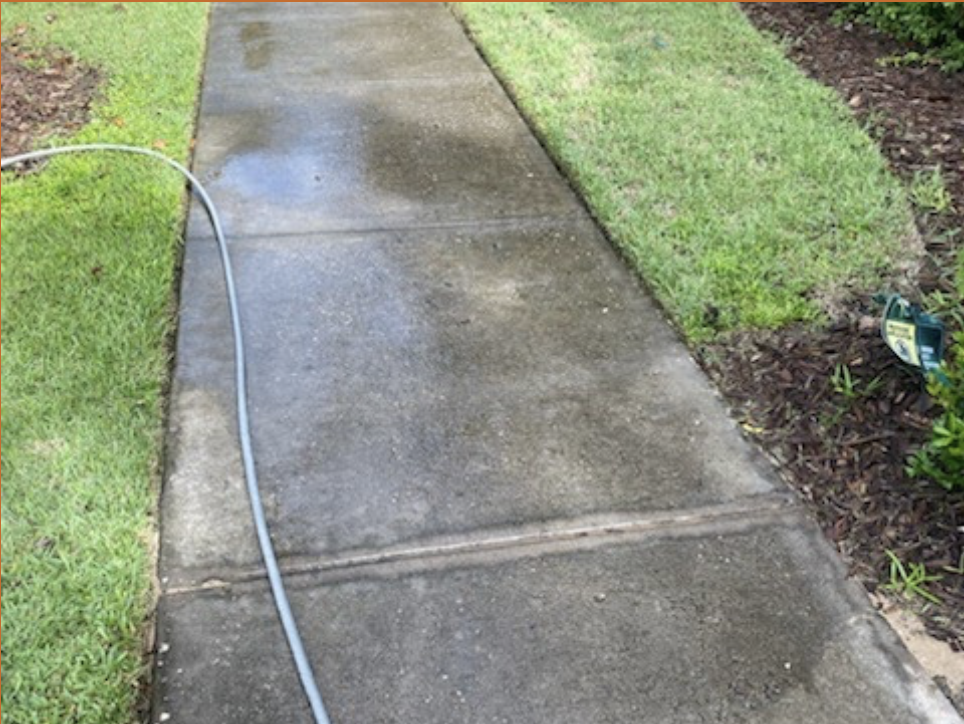
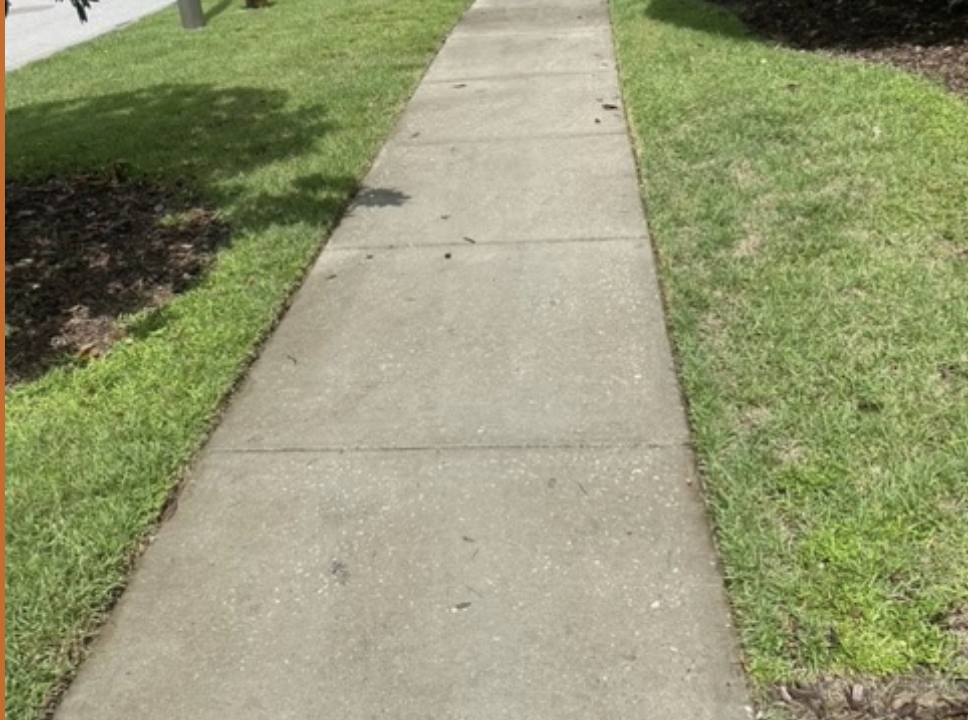
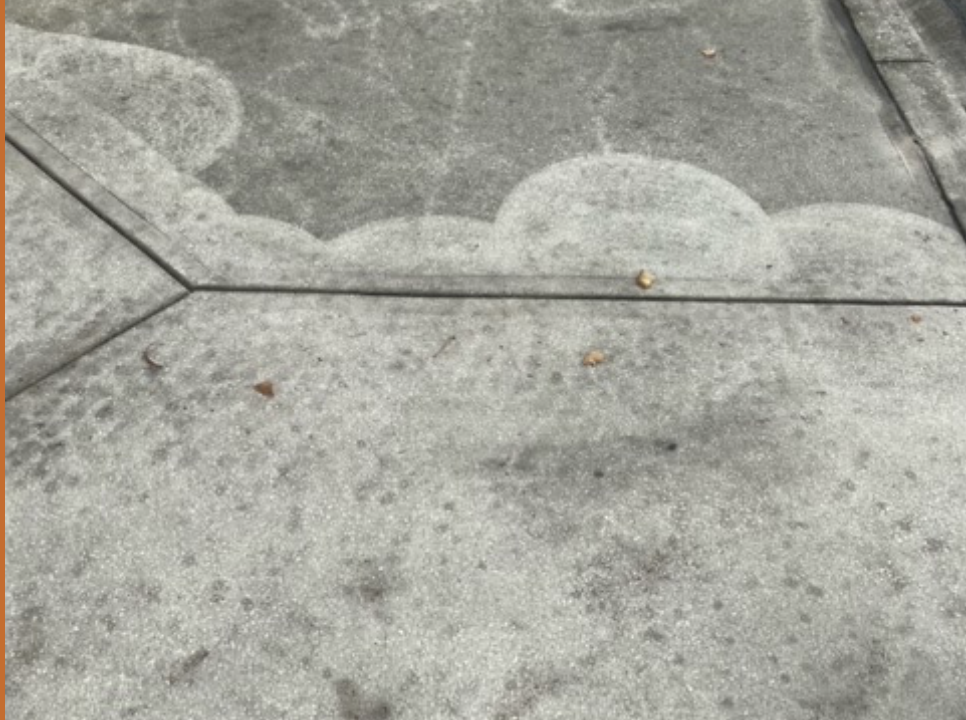
PRESSURE WASHING
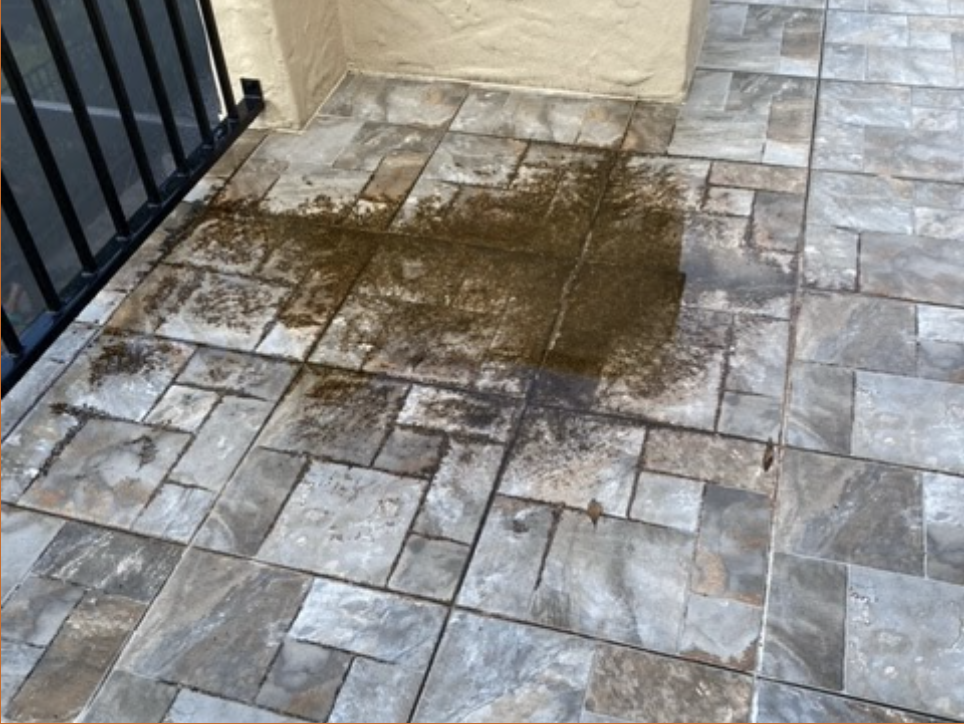
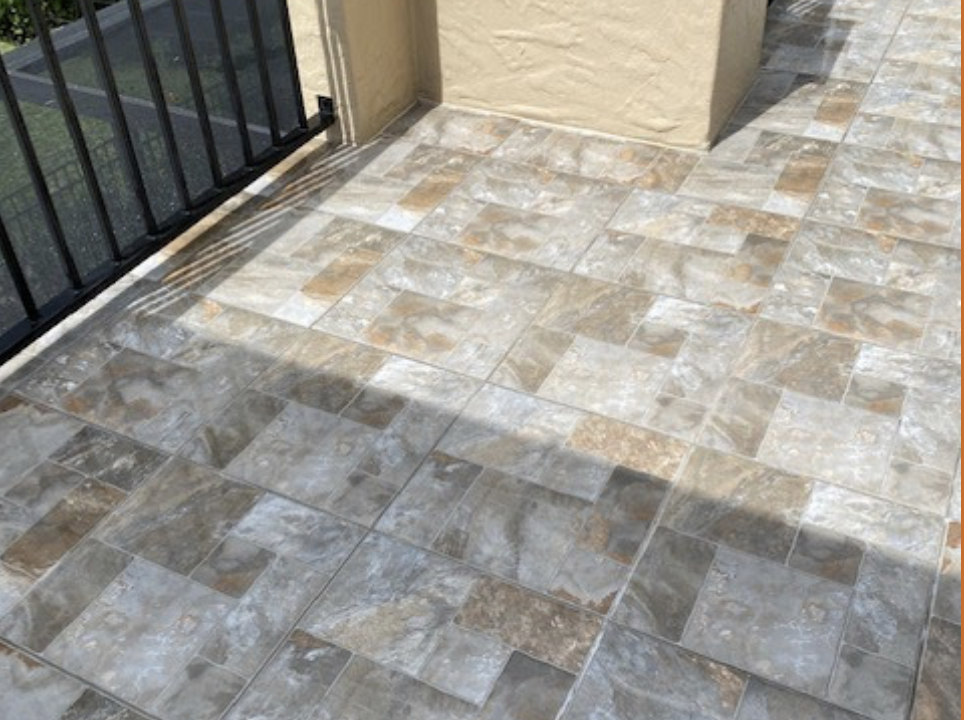
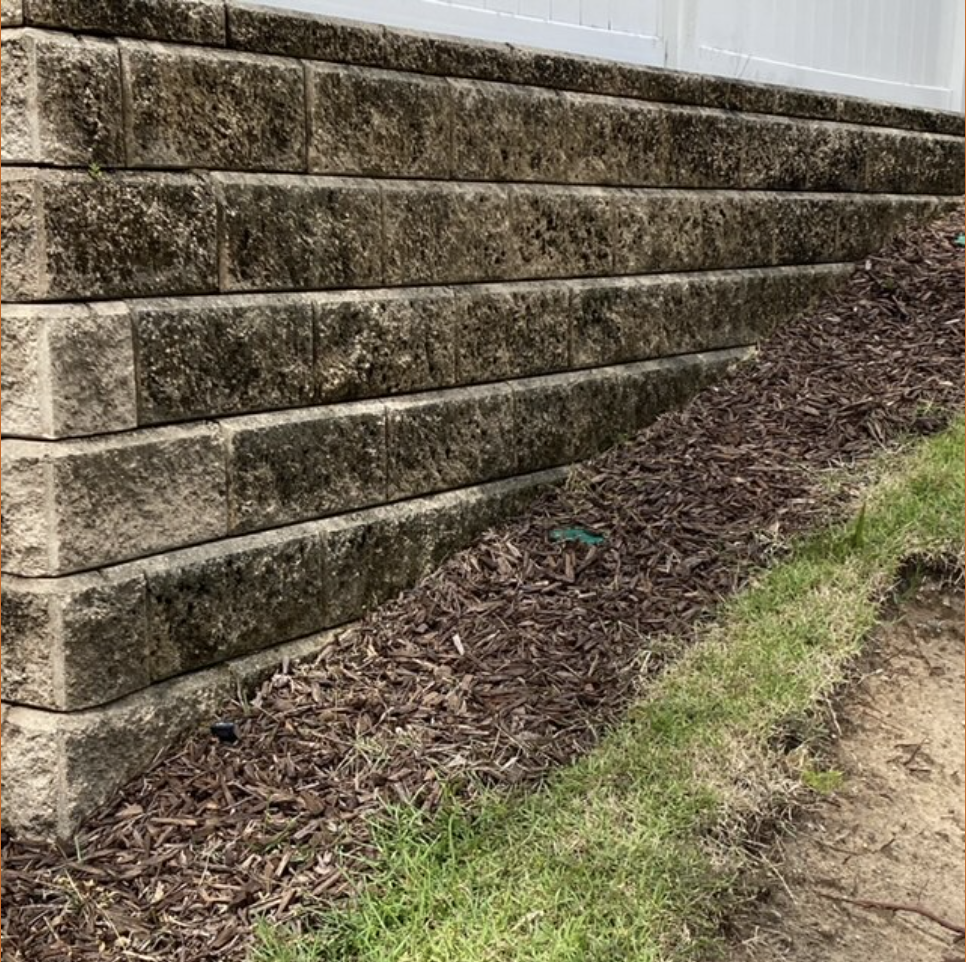
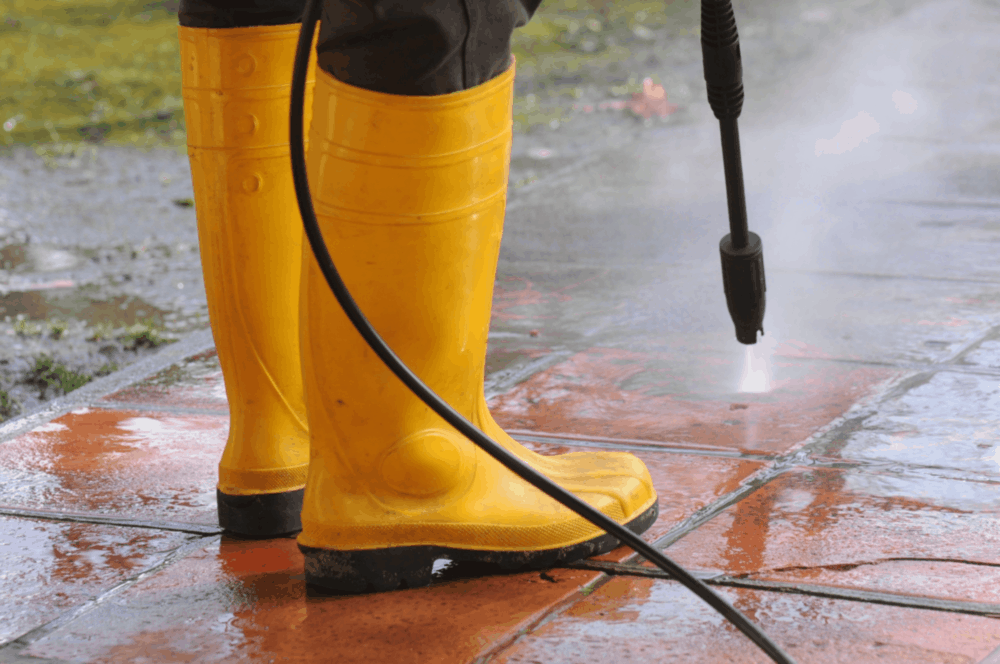
Pressure washing, also known as power washing, is a cleaning method that uses high-pressure water spray to remove dirt, grime, mold, mildew, and other contaminants from various surfaces. This technique is commonly employed on exterior surfaces such as driveways, sidewalks, decks, patios, siding, and roofs.
The process typically involves the use of a pressure washer, which is a machine that generates a powerful stream of water at varying pressures. The operator can adjust the pressure and nozzle type depending on the surface being cleaned to ensure effective cleaning without causing damage.
Pressure washing is an efficient way to maintain the appearance and longevity of surfaces, as it can restore them to a like-new condition and prevent the buildup of harmful substances that could lead to deterioration over time.
CAULKING
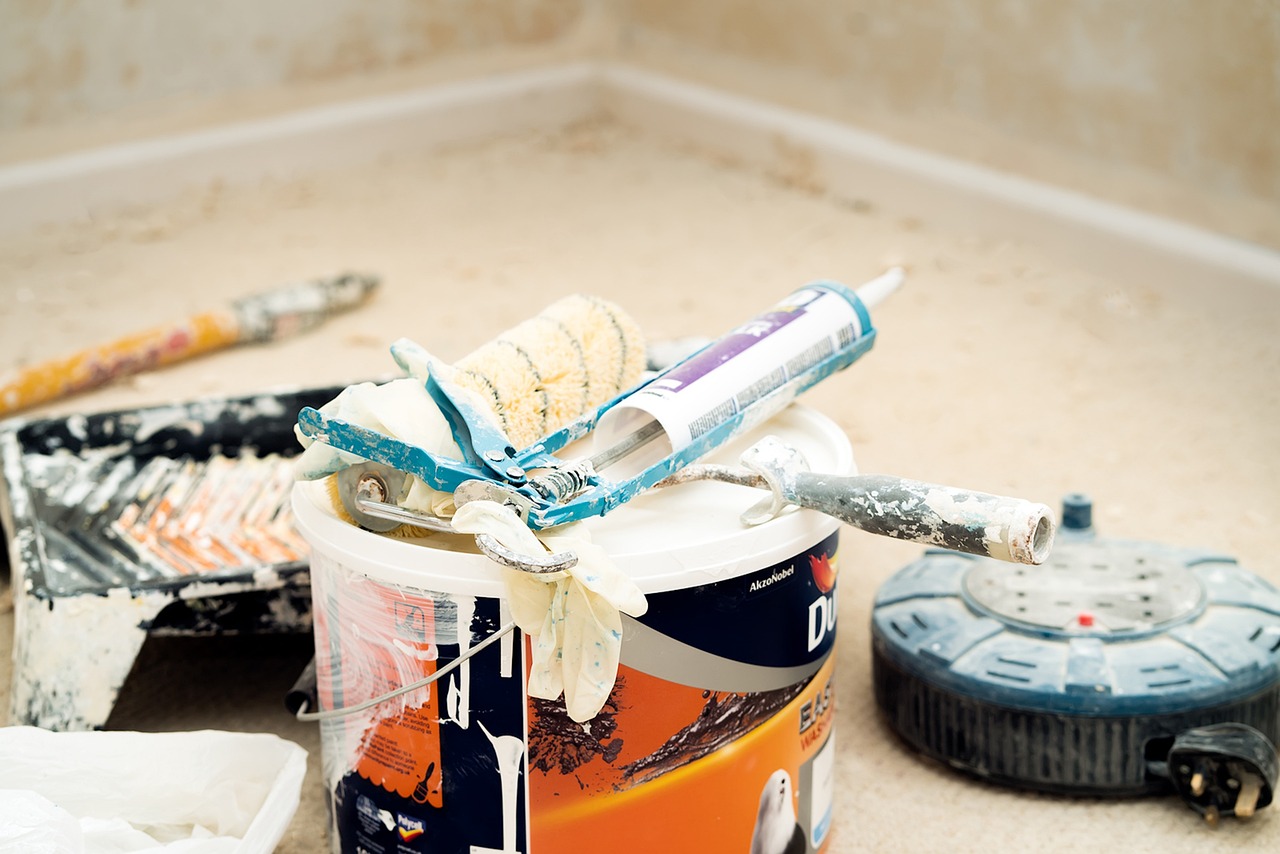
Caulking is the process of applying a flexible sealing material, known as caulk, to fill gaps, cracks, or joints in various surfaces. This material is typically made from substances such as silicone, latex, or polyurethane and is used to create a watertight and airtight seal.
Caulking serves several important purposes, including:
1. Preventing Water Intrusion: It helps to seal areas where water could enter, such as around windows, doors, and plumbing fixtures, thereby reducing the risk of water damage and mold growth.
2. Improving Energy Efficiency: By sealing gaps, caulking can help to prevent drafts and air leaks, contributing to better insulation and energy efficiency in buildings.
3. Enhancing Aesthetics: Caulking can provide a finished look to joints and seams, improving the overall appearance of a structure.
4. Preventing Pest Infiltration: It can also deter insects and rodents from entering through small openings.
Overall, caulking is an essential maintenance task that helps protect and preserve the integrity of buildings and structures.
SEALING
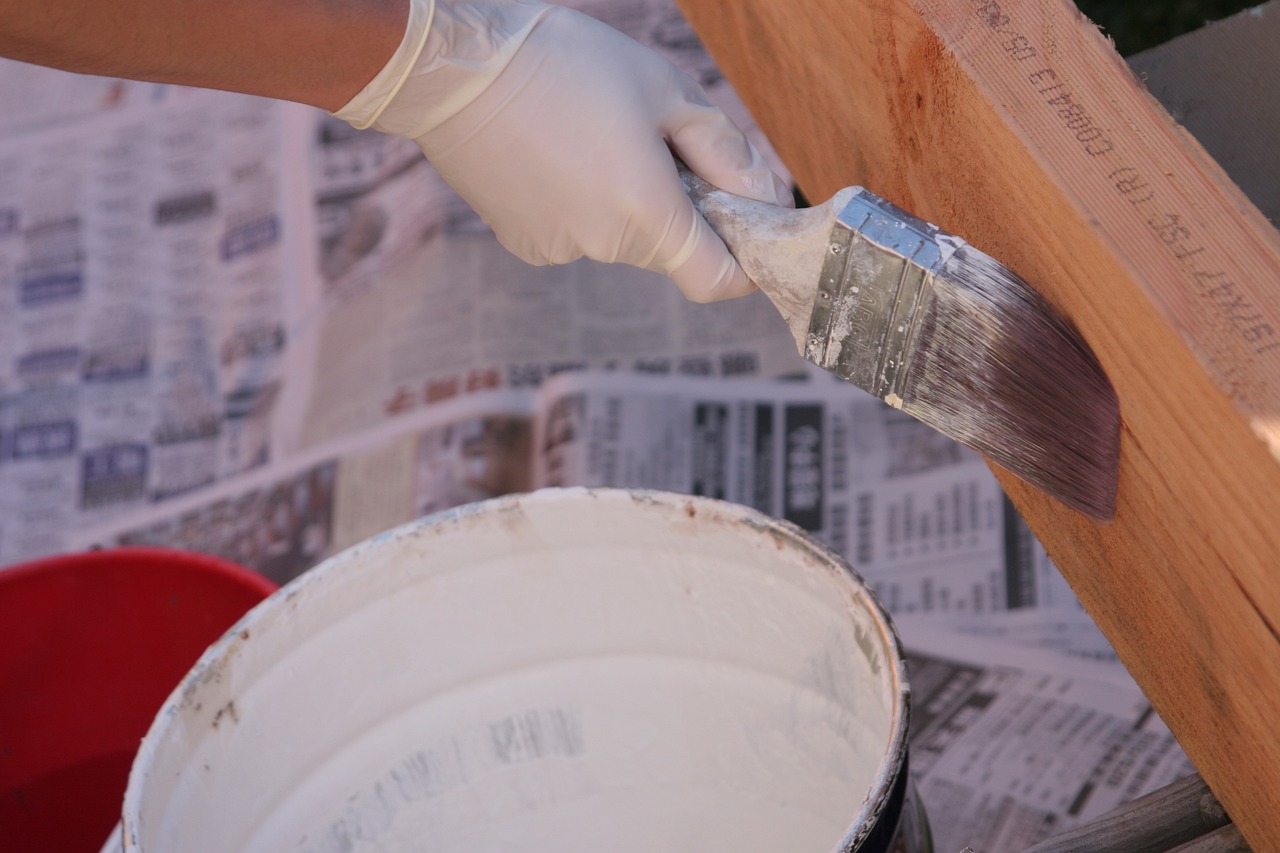
Sealing refers to the process of applying a protective layer or material to surfaces to prevent the infiltration of water, air, dust, and other contaminants. This process is commonly used in construction and maintenance to enhance the durability and longevity of various materials, such as wood, concrete, and masonry.
Sealing can involve different methods and materials, including:
1. Sealants: These are substances, such as silicone, polyurethane, or acrylic, that are applied to joints, seams, and gaps to create a barrier against moisture and air.
2. Surface Sealers: These are coatings applied to surfaces like concrete or stone to protect them from stains, water damage, and wear. They can enhance the appearance of the surface while providing a protective layer.
3. Weatherproofing: This involves sealing areas around windows, doors, and roofs to prevent drafts and water leaks, contributing to energy efficiency and comfort within a building.
Overall, sealing is an important maintenance practice that helps to protect structures from environmental damage, improve energy efficiency, and extend the lifespan of materials.